Sobre la revista
Enfoque y alcance
Claridades. Revista de filosofía, editada por FICUM y UMAEditorial, es una revista internacional de filosofía dirigida a profesores, estudiantes y estudiosos de la disciplina. Publica artículos originales de investigación redactados preferentemente en castellano, aunque admite originales en inglés, alemán, francés, italiano y portugués. La revista se interesa por todas las áreas de la filosofía, está abierta a todas las corrientes del pensamiento y no discrimina entre ellas. Los trabajos sometidos a la consideración de la revista son evaluados anónimamente por especialistas externos. FICUM organiza anualmente un simposio en el que se somete a diálogo y debate todos los trabajos publicados en el número anual de la revista. Cada artículo deberá ir precedido por un resumen completo y en inglés que garantice la comprensión del texto a un lector internacional. Aunque en los primeros años de la revista no se ha sido exigente con este compromiso en algunas secciones como OTROS, con el tiempo todas las secciones han sido siendo progresivamente sometidas a los mismos estándares de exigencia, e incluirán en consecuencia resúmenes revisados por especialsitas externos como respuesta a nuestro compromiso creciente con la internacionalización de la revista.
Propiedad y gobernanza
Claridades. Revista de filosofía es una revista legalmente perteneciente a UMAEditorial desde el 23 de septiembre de 2020 en el que se resolvió la solicitud de concesión como marca registrada. Como perteneciente a una entidad académica y pública, Claridades. Revista de filosofía promueve el desarrollo de la difusión de calidad sin ningún ánimo de lucro.
El equipo editorial, constituido por especialistas de reconocido prestigio y miembros de universidades está compuesto por:
- Director y subdirección: Estos editores son los editores principales y los máximos responsables del contenido de la revista. Sus principales responsabilidades incluyen: dirigir la estrategia general de la revista, revisar y tomar decisiones sobre los manuscritos enviados para garantizar un flujo de copias sostenible y oportuno, y actuar como embajadores de la revista. Son nombrados por la dirección, la subdirección, la secretaría de redacción y la secretaría de administración, quienes deciden sus altas y bajas siguiendo un procedimiento burocrático y sin que esto suponga en ningún caso que la revista pueda dejar de pertenecer a UMAEditorial.
- Editores asociados externos: En ocasiones la labor de supervisar el proceso de revisión es delegada en los editores asociados externos, especialistas de reconocido prestigio que emiten una decisión preliminar sobre los artículos que le asigna la dirección. También actúan como revisores y embajadores de la revista. Pueden contribuir al contenido de la revista, ya sea enviando un artículo o actuando como editores invitados de un número especial. Son propuestos por la dirección y subdirección.
- Consejo de redacción: Son expertos destacados en el campo de la revista que actúan como embajadores de la misma. En ocasiones y en caso de que los editores en jefe así lo consideren oportuno, podrán recurrir a estos expertos para resolver alguna cuestión relacionada con las decisiones editoriales. Son designados por la dirección y subdirección.
- Secretaría de redacción: compuesto por especialistas supervisan que el diseño, la maquetación y los gráficos cumplan con el estándar de calidad requerido. Son designados por la dirección y subdirección, y forman parte de las decisiones editoriales en las distintas Juntas de la Directiva que tienen lugar periódicamente.
- Evaluadores externos: son una parte fundamental de la revista, son externos al equipo editorial y ciegos. La revista incluye un listado para reconocer y visibilizar su contribución a la calidad de los artículos publicados: https://revistas.uma.es/index.php/claridades/evaluadoresexternos
Estos evaluadores externos reciben manuscritos para evaluarlos y opinar sobre su idoneidad. Son los editores jefes y los editores asociados quienes deciden qué evaluadores externos son apropiados para evaluar los trabajos recibidos.
- Secretaría de administración: representación de la asociación FICUM, asociación cultural sin ánimo de lucro. Su labor actualmente en la revista se centra en mantener a la revista en contacto con la sociedad, especialmente contribuyendo a promover la investigación de calidad entre los jóvenes y el mundo cultural no académico. Suele encargarse de la difusión a través de redes sociales y de la colaboración con actos culturales y académicos relacionados con la promoción de la filosofía. La decisión de la persona encargada de llevar estas gestiones las decide de modo interno la asociación cultural FICUM que fundó, como consta en el historial público, la revista en 2009.
Los acuerdos relacionados con la revista son tomados en reuniones periódicas de la Junta Directiva, cuyas actas son custodiadas por el equipo directivo. Se guarda una copia en la Biblioteca Editorial de OJS de la revista que recoge las actas de la Junta Editorial desde 2020
Proceso de evaluación por pares
1. Periodicidad
Claridades. Revista de filosofía publica un número ordinario al año. Si el volumen de estudios recibidos y aceptados es elevado o si se aprueba la publicación de un número monográfico sobre un tema de interés académico específico, Claridades. Revista de filosofía prevé la publicación de un segundo número anual adicional extraordinario sobre un tema de interés académico específico.
En nuestra web, debajo de cada número archivado ya publicado aparecerá debajo del título el DOI del número y la fecha de publicación del mismo, de modo que haya un indicador visible de nuestra frecuencia de publicación.
Dicho número monográfico se regirá por los mismos criterios de evaluación y buenas prácticas que los números ordinarios.
2. Secciones
La revista tiene las siguientes secciones:
- Estudios
- Reflexiones y comentarios
- Quaestuiones Disputate (Debates sobre artículos publicados en algún número de la revista)
- Traducciones críticas
- Entrevistas
- Otros
3. Lenguas
Las lenguas en que se aceptan originales, edita colaboraciones y se mantiene correspondencia son: español, alemán, portugués, francés, italiano e inglés.
4. Política Open Access
La revista está indexada en la plataforma Open Access de revistas científicas electrónicas españolas y latinoamericanas, un proyecto impulsado por el Consejo Superior de Investigaciones Científicas (CSIC) con el fin de contribuir a la difusión y visibilidad de las revistas científicas publicadas en América Latina, Caribe, España y Portugal.
La revista es una open acces Journal, lo que significa que todo su contenido está disponible gratuitamente sin cargos para el usuario o la institución. Los usuarios pueden leer, descargar, copiar, distribuir, imprimir, buscar o enlazar los textos de los artículos o usarlos para cualquier otro propósito legal sin pedir permiso previo al editor ni al autor. Y ello en concordanciacon la definición de acceso abierto del BOAI.
Se recomienda a las personas autoras que relacionen los artículos publicados con su material complementario depositado en repositorios públicos.
Se permite la difusión de la versión pre-print de los artículos publicados.
La revisión por pares no se publica en abierto para garantizar el anonimato de la revisión, pero sí se muestra públicamente el listado de personas revisoras de cada número vencido: https://revistas.uma.es/index.php/claridades/evaluadoresexternos
5. Evaluación de originales
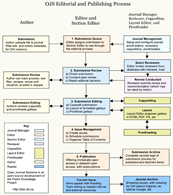
El comité editorial decide inicialmente si el artículo es apropiado para la revista, y la sección para la que el trabajo resulta apropiado. Posteriormente se inicia el proceso de evaluación por pares externos para todas las secciones.
5.1. La evaluación es por pares
Dos revisores externos y especializados.
5.2. La evaluación es doble ciega
Los evaluadores no conocen la identidad del autor o autora ni el autor o autora conoce la identidad del evalaudor o evalaudora.
5.3. Declaración de privacidad
Los nombres y direcciones de correo-e sólo se utilizan para los fines declarados por la revista.
5.4. Los evaluadores son externos
Más del 80% de los evaluadores son externos a la revista y a la asociación FICUM. Al final de cada número se publica la lista de evaluadores que han participado.
5.5. Criterios de evaluación
Se valora: el tema, la profundidad, la innovación, el diálogo con la bibliografía actual y relevante, la coherencia interna, la unidad, la claridad, el rigor en la argumentación, la adecuación del título, del resumen y de las palabras claves, y la elegancia formal y literaria.
A los evaluadores se les pedirá explícitamente que señalen si el tema es original, innovador y pertinente para la revista. Deberán señalar también si el artículo posee originalidad y coherencia argumentativa, si posee un diseño y una metodología adecuados y si muestra una fundamentación bibliográfica actualizada y rigurosa. En cualquier caso, deberán incluir además una fundamentación de la evaluación realizada.
Los evaluadores, deberán indicar si, a tenor de la evaluación realizada, el artículo es publicable, publicable con modificaciones, publicable con modificaciones sustantivas o no publicable.
5.6. Aceptación o rechazo
Tras la revisión de los expertos, el comité editorial decide si aceptar sin más el artículo, pedirle al autor que haga modificaciones recomendadas por los evaluadores, pedirle al autor una profunda revisión o rechazar la publicación.
5.7. Regulación del uso de IA
Lea atentamente nuestra normativa sobre el uso de herramientas de Inteligencia Artificial en los procesos de escritura, edición, revisión y reutilización de contenidos en:
https://revistas.uma.es/index.php/claridades/regulacionIA
6. Normas de publicación y formato de las publicaciones
Las normas de publicación y las instrucciones precisas sobre el formato de las publicaciones pueden ser consultadas detalladamente en: https://revistas.uma.es/index.php/claridades/about/submissions
7. Agenda de publicación
En un plazo de 2 meses, que puede extenderse ocasionalmente, el consejo de dirección de la revista comunicará al autor la aceptación o rechazo del artículo, e informará de las observaciones, dictamen y sugerencias emitidas por los evaluadores externos.
En ese tiempo a los autores se les enviará al menos una prueba de imprenta que deberán revisar en un plazo de dos semanas como máximo.
La recepción de artículos está abierta todo el año. Se avisará a través de la página OJS y en el portal de noticias de la asociación FICUM, el portal FILOSOFÍA NOTICIAS, cuándo se cierra y se abre la recepción de artículos, y cuándo se prevé la publicación del número anual.
8. Política de autoarchivo
La revista permite el auto-archivo post-print (versión impresa). Ha obtenido el color azul de DULCINEA y está indexada en SHERPA/Romeo. Tiene licencia creative commons de Reconocimiento –NoComercial –SinObraDerivada (by-nc-nd), es decir no permite un uso comercial de la obra o generación de obras derivadas.
9. En caso de error
La revista no se hace responsable de los errores que puedan aparecer tras la edición del número. Los autores están obligados a corregir los errores.
10. Declaración ética sobre publicaciones y buenas prácticas
- El comité editorial se compromete a publicar las correcciones, aclaraciones, retracciones y disculpas cuando sea preciso. Así mismo se compromete a tener un trato cordial, afectuoso y respetuoso con los autores y los lectores, intentando atender sus necesidades. El plagio está prohibido, y los autores han de garantizar que el artículo es original y no ha sido antes publicado. Se les pedirá a los autores certificación firmada de que el trabajo es original. En lo que respecta a APCs, Claridades no lleva a cabo ningún tipo de “processing charges” ni “Submission charges”.
- Puede consultarse nuestro código ético en la web: https://revistas.uma.es/index.php/claridades/etica
11. Buenas prácticas editoriales en igualdad de género
Claridades. Revista de filosofía está comprometida con promover la igualdad entre hombres y mujeres, en dar visibilidad al trabajo científico de las mujeres, y en promover el uso del lenguaje inclusivo en las publicaciones científicas. Recomendamos a los autores y autoras que utilicen un lenguaje inclusivo en sus artículos científicos siguiendo las recomendaciones de la UMA (https://www.uma.es/unidad-de-igualdad/info/102773/guia-lenguaje-no-sexista/) e incluimos el nombre completo.
A partir de 2021 haremos constar a demás, como medida de mejora de la revista y como acción de compromiso con las buenas prácticas en igualdad de género, la siguiente información sobre los números publicados: porcentaje de mujeres en órganos de decisión editorial, porcentaje de mujeres como evalaudoras externas.
Consulte la pestaña Buenas prácticas editoriales en igualdad de género (en el menú desplegable acera de) para conocer el listado: https://revistas.uma.es/index.php/claridades/igenero
12. Frecuencia de publicación
Tal y como se indica en el punto 1. Periodicidad, Claridades. Revista de filosofía publica un número anual. Se reserva el derecho a publicar adicionalmente un segundo número ordinario (si el volumen de estudios recibidos y aceptados es elevado) o monográfico (si se aprueba la publicación de un número monográfico sobre un tema de interés académico específico).
En nuestra web, debajo de cada número archivado ya publicado aparecerá debajo del título el DOI del número y la fecha de publicación del mismo, de modo que haya un indicador visible de nuestra frecuencia de publicación.
Dicho número monográfico se regirá por los mismos criterios de evaluación y buenas prácticas que los números ordinarios.
13. Cargos por procesamiento (APC)
En ningún caso, los autores y autoras están obligados a pagar cargos por el procesamiento de artículos (APC) en esta revista.
14. Políticas de preservación digital
La preservación digital puede verse como el conjunto de procesos y actividades que garantiza que la información que ahora existe en formatos digitales sea accesible a largo plazo. El contenido digital de la revista es extremadamente valioso y existen medidas para asegurar tanto su accesibilidad actual como su preservación a largo plazo.
Todo nuestro contenido electrónico (sitio web, manuscritos, etc.) se almacena en varias fuentes . El contenido de un servidor que está en línea y es accesible para los lectores. Una copia de dicho contenido se guarda como copia de seguridad adicional, ya que el software OJS realiza copias semanales utilizando el sistema LOCKSS https://revistas.uma.es/index.php/claridades/gateway/lockss y CLOCKS https://revistas.uma.es/index.php/claridades/gateway/clockss.
La revista tiene DOI, lo que también asegura la perdurabilidad del acceso a través de Crossref. La información de la revista también está disponible en acceso abiertos en distintas bases de datos como DOAJ y DIALNET, lo que garantiza la preservación de contenidos por más de una fuente de información.
15. Uso de protocolos de interoperabilidad y acceso, estructura y funcionalidades de la web
a) El OAI-PMH (Open Archives Initiative Protocol for Metadata Harvesting) es un mecanismo de baja barrera para la interoperabilidad de los repositorios que se utiliza para recopilar los descriptores de metadatos y, en nuestro caso, también los artículos de texto completo.
Los metadatos de todos los artículos publicados están disponibles en formato Dublin Core (oai-dc).
Página web: https://revistas.uma.es/index.php/claridades/oai
b) La web de la revista contiene sumarios y tablas de contenido que permiten el acceso directo a los ar´ticulos
c) La web dispone de un motor de búsqueda que facilite el acceso a contenidos: https://revistas.uma.es/index.php/claridades/search
d) La web es adaptable a dispositivos móviles.
e) La web proporciona acceso a materiales complementarios en los casos en los que sea necesario.
16. Política de acceso abierto
Esta revista proporciona un acceso abierto inmediato a su contenido, basado en el principio de que ofrecer al público un acceso libre a las investigaciones ayuda a un mayor intercambio global de conocimiento.
17. Bases de Datos en los que la revista se encuentra indexada
La revista se encuentra indexada en:
REDIB plataforma Open Acess del CSIC para Revistas Científicas Electrónicas Españolas y Latinoamericanas, Latindex, The Philosopher’s Index, ISOC- CC. Sociales y Humanidades, ERIH PLUS, Dulcinea, MIAR, SHERPA/RoMEO, DOAJ: Directory of open access journals, ESCI (Emerging Sources Citation Index), ZDB (Zeitschriftendatenbank), EZB (Elektronische Zeitschriftenbibliothek), COPAC, WorldCat, DIALNET y Carhus PLus+. Y tiene el sello de calidad FECYT, siendo revista C4 en ranking FECYT.
18. Evaluadores externos
Los estudios y artículos recibidos en CLARIDADES. REVISTA DE FILOSOFÍA son sometidos a un proceso de arbitraje ciego por dos informantes externos, los cuales se ocupan de evaluar el contenido y la metodología de los artículos. Todos los artículos tienen una revisión previa por parte del equipo directivo de la revista, para comprobar que los artículos cumplen los requisitos mínimos. Los autores reciben un resumen de los informes redactados por los revisores, indicándoles -si así es el caso- la manera de subsanar deficiencias o realizar los cambios que se solicitan. Los informantes son seleccionados de acuerdo a un criterio de excelencia académica e investigadora, y tomando en consideración que su ámbito de especialización se corresponda con las temáticas abordadas en cada uno de los artículos. El listado de los evalaudores que participan en cada número es publicado al final del mismo, indicándose la institución a la que pertenece.
Desde 2015, Claridades. Revista de filosofía, hace público el listado de evaluadores de cada número publicado. Consulte la pestaña evalaudores externos (en el menú desplegable acera de) para conocer el listado: https://revistas.uma.es/index.php/claridades/evaluadoresexternos
19. Difusión de contenidos
19.1. Claridades en redes sociales
Desde su fundación Claridades ha estado presente en las redes sociales con la intención de promover la filosofía y la difusión de sus trabajos en distintos canales, cada uno de los cuales, a su modo realiza esta función de un modo peculiar y distinto:
estamos en:
- facebook: (https://www.facebook.com/groups/127246410717764/about/ )
- Twitter: (https://twitter.com/FICUM2)
- Blogger: (http://filosofianoticias.blogspot.com/)
- You Tube: (https://www.youtube.com/user/filosofiaenmalaga)
- Instagram: (https://www.instagram.com/ficum_claridades/#)
19.2 Compromisos de ciencia abierta
Siguiendo nuestro compromiso de ciencia abierta del punto 16, nuestra revista incluye las siguientes medidas de difusión de la ciencia:
- Publicamos los contenidos bajo licencia CC-BY
- Instamos a las personas a depositar el material complementario en repositorios institucionales o en nuestra web permitiendo la publicación de archivos complementarios en la revista.
- Permitimos la difusión de la versión pre-print de los trabajos publicados
- Mostramos de manera pública el listado de personas evaluadoras de cada número en: https://revistas.uma.es/index.php/claridades/evaluadoresexternos
20. Sumarios con indicación de OR, CR, ED, INT.
Cumpliendo con nuestra política de claridad, calidad y transparencia indicamos a continuación los OR, CR, ED INT de cada artículo de carácter científico publicados desde 2015 en nuestras secciones de ESTUDIO y QUAESTIONES DISPUTATAE.
Consulte la pestaña Sumarios con indicación de OR, CR, ED, INT (en el menú desplegable acera de) para conocer el listado: https://revistas.uma.es/index.php/claridades/sumarios
Esta medida, además de permitir ver con transparencia la originalidad, la internacionalidad de los trabajos, permite mostrar que esta revista adopta medidas contra la endogamia al indicar y la pertenencia o no al comité editor de las personas autoras de los Estudios.
En relación a nuestras medidas contra la endogamia, además del criterio anterior se tomarán también las siguientes dos medidas:
a. Siguiendo la tendencia reciente de considerar miembros del consejo editorial a aquellas personas que tengan algún tipo de vinculación con la Universidad que edita la revista, a partir de 2026 cualquier miembro de la Universidad de Málaga será considerado como ED (Consejo editor), aunque no sea en sentido estricto miembro del consejo editor.
b. Además, se reducirá el límite contra la endogamia (que estaba fijado en un 20%) a un 10%, endureciendo las medidas estándares de FECYT.
21. Antiplagio
Claridades. Revista de filosofía mantiene una política de antiplagio que vela porque todos los trabajos publicados sean inéditos, mediante la aplicación profesional de los servicios de Crossref Similarity Check de Ithenticate, para escanear todas las propuestas.
Utilizamos el servicio en todos los documentos que han pasado el proceso editorial de clasificación y son susceptibles de ser enviados a una revisión por pares ciegos.
La Revista se reserva la decisión de rechazar los artículos con un porcentaje de similitud inadecuado.
Contamos además con herramientas específicas de detección de plagio como Unicheck, plataforma de libre acceso que supervisa la originalidad y controlan el plagio.
22. Estadísticas.
Claridades. Revista de filosofía ofrece estadísticas sobre el número de artículos aceptados y rechazados. Consulte la pestaña Estadísticas (en el menú desplegable acera de) para conocer el listado.
23. Ética y Buenas prácticas
Código ético y de buenas prácticas
Claridades. Revista de filosofía makes a commitment to the academic community by ensuring the ethics and quality of its published papers. As a benchmark, our journal uses the Code of Conduct and Good Practices for scientific journals defined for editors by the PUBLICATION ETHICS COMMITTEE (COPE).
I. Editorial Board:
1. Journal have editorial boards or other governing bodies whose members are recognized experts in the field
2. Journal provide the full names and affiliations of the members on the journal´'s website
3. Journal provide contact information for the editorial office on the journal’s website
II. Authors and Authors responsibilities:
1. The Authors will not pay membership or any kind of charge to ensure the publication of their paper
2. Authors are obliged to participate in peer review process
3. All authors have significantly contributed to the research
4. Authors are obliged to provide retractions or corrections of mistakes
5. Authors are obliged to provide a list of references
6. It is forbidden to publish same reserach in more than one journal
III. Peer-review process:
1. All of a journal´s content is subjected to peer-review
2. Peer-review is defined as "obtaining advice on individual manuscripts from reviewers‘s expert in the field of publication"
3. The is clearly described on the journal´s web site
4. All judgments and findings in the peer-review process are objective
5. Reviewers have no conflict of interest
6. Reviewers are point out relevant published work which is not yet cited
7. Reviewed articles are treated confidentially prior to their publication
IV. Copyright and access:
1. Copyright and licensing information are clearly described on the journal’s web site: all content published in Claridades. Revista de Filosofía is open acces without limit, and are subject to the Creative Commons Attribution-NoComercia-Sharealike 4.0 license. The full text of which can be consulted at http://creativecommons.org/licenses/by-nc-sa/4.0
2. It is the responsibility of the authors to obtain the necessary permissions for the images that are subject to copyright. The authors whose contributions are accepted for publication in this journal will retain the non-exclusive right to use their contributions for academic, research and educational purposes, including self-archiving or deposit in open access repositories of any kind. The electronic edition of this magazine is edited by the Editorial de la University of Malaga (UmaEditorial), being necessary to cite the origin in any partial or total reproduction
3. This journal allows and encourages authors to publish papers on their personal websites or in institutional repositories, both before and after their publication in this journal, as long as they provide bibliographic information that accredits, if applicable, your posting on it
4. In no case will anonymous papers be published
5. Only evaluating the work based on intellectual content, without any bias towards ethnicity, gender, sexual orientation, religious believes origin ethnic, nationality or political ideology of the writer. For this reason, it is guarantees the anonymity of the writer during the selection process
6. Authors, editors and publishers must accept the code of good practice
7. Our OJS Platform embeds metadata and uses protocls to exchange them with databases, collectores, etc: https://revistas.uma.es/inde.php/claridades/oai
V. Archiving:
Digital preservation can be seen as the set of processes and activities that ensure that information that now exists in digital formats is accessible in the long term. The digital content of the journal is extremely valuable and measures are in place to ensure both its current accessibility and its long-term preservation.
All of our electronic content (website, manuscripts, etc.) is stored in various sources. The content on a server that is online and accessible to readers. A copy of that content is kept as an additional backup, as the OJS software makes weekly copies using the LOCKSS system https://revistas.uma.es/index.php/claridades/gateway/lockss and CLOCKS https://revistas.uma.es/index.php/claridades/gateway/clockss.
The journal has a DOI, which also ensures the durability of access through Crossref. The journal information is also available in open access in different databases such as DOAJ and DIALNET, which ensures the preservation of content by more than one source of information.
Translated with DeepL.com (free version)
VI: Ownership and management:
1. Information about the ownership and/or management of a journal is clearly indicated on the journal’s web site: UmaEditorial und FICUM
2. Publishers do not use organizational names that would mislead potential authors and editors about the nature of the journal´s owner
VII. The website:
1. Journal’s website (including the text that it contains) can demonstrate that care has been taken to ensure high ethical and professional standards
VIII: Publishing schedule:
1. The periodicity is clearly indicated: one issue is published annually. We reserve the right to publish extraordinary monographic volume, with a specific theme and academic interest. Monographic volume should follow the same publishing politics, evaluation and good practices already mentioned
IX: Name of the journal:
1. The journal name is unique: Claridades. Revista de filosofía
2. The name is not one that is easily confused with other journal(s) or that might mislead potential authors and readers about the journal´s origin or association with other journals
3. The journal has ISSN number: 1889-6855
4. The journal has ISSN-e numer: 1989-3787
24. Sponsors
FICUM - UMA Editorial
25. Historial de la revista
En 2009 se publica el primer número de la revista.
De 2010 a 2012 se crea el Centro de Investigación JFM, al que se vincula la revista.
A partir de 2013 la revista es editada por la Asociación sin ánimo de lucro FICUM, y es indexada en las principales bases de datos internacionales.
El 27 del 11 de 2017 pasa a formar parte del portal de revistas de UMA Editorial, iniciándose el paso al sistema OJS.








6.png)
