Metabolic Reprogramming in Cancer
DOI:
https://doi.org/10.24310/enbio.v14i176.17260Keywords:
Cancer, CellsAbstract
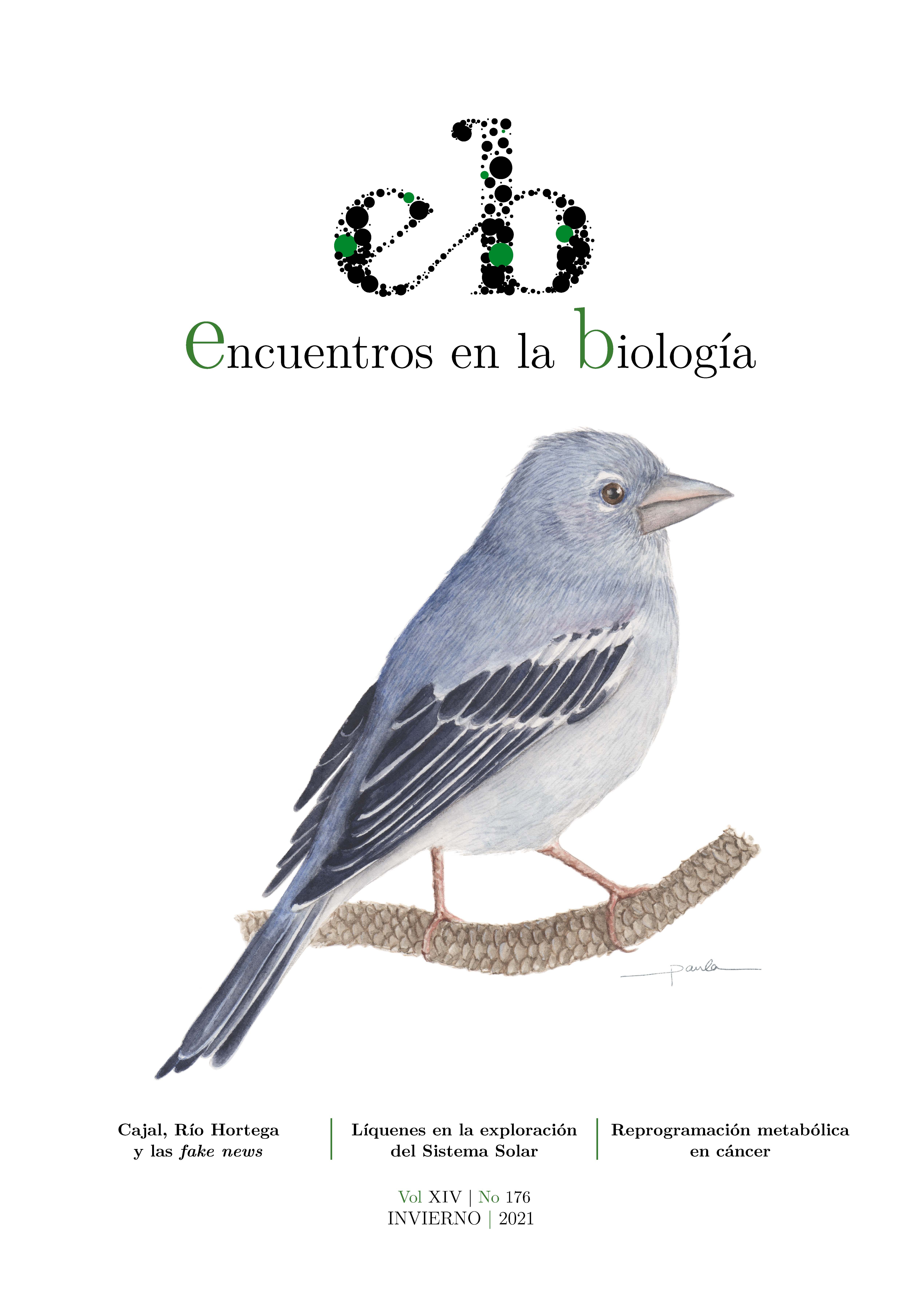
This article reviews the molecular mechanisms that regulate the metabolism of cancer cells, as well as the possible therapeutic targets that could be exploited to interfere with their growth and survival. The article begins by explaining the Warburg effect, which is the preference of cancer cells for anaerobic glycolysis instead of oxidative respiration, even in the presence of oxygen. The article argues that this effect not only has an energetic purpose, but also a biosynthetic one, as it allows cancer cells to obtain the precursors necessary for the synthesis of lipids, nucleotides and proteins. Next, the article analyzes the intrinsic and extrinsic factors that contribute to metabolic reprogramming in cancer, such as mutations in oncogenic or tumor suppressor genes, the tumor microenvironment, inflammation and metabolic diseases. Finally, the article describes some of the therapeutic strategies that are being developed to inhibit or reverse metabolic reprogramming in cancer, such as inhibitors of glycolysis, glutaminolysis, lipogenesis and nucleotide biosynthesis.
Downloads
References
Downloads
Published
Dimensions
Citations




Issue
Section
License
Esta obra está bajo licencia internacional Creative Commons Reconocimiento-NoComercial-CompartirIgual 4.0.
Esta revista provee acceso libre inmediato a su contenido bajo el principio de hacer disponible gratuitamente la investigación al público. Todos los contenidos publicados en Encuentros en la Bilogía están sujetos a la licencia Creative Commons Reconocimento-NoComercia-Compartirigual 4.0 cuyo texto completo puede consultar en <http://creativecommons.org/licenses/by-nc-sa/4.0>
Se pueden copiar, usar, difundir, transmitir y exponer públicamente, siempre que:
Se cite la autoría y la fuente original de su publicación (revista, editorial y URL de la obra).
No se usen para fines comerciales.
Se mencione la existencia y especificaciones de esta licencia de uso
Los derechos de autor son de dos clases: morales y patrimoniales. Los derechos morales son prerrogativas perpetuas, irrenunciables, intransferibles, inalienables, inembargables e imprescriptibles. De acuerdo con la legislación de derechos de autor, Encuentros en la Biología reconoce y respeta el derecho moral de los autores/as, así como la titularidad del derecho patrimonial, el cual será cedido a la Universidad de Málaga para su difusión en acceso abierto. Los derechos patrimoniales, se refieren a los beneficios que se obtienen por el uso o divulgación de las obras. Encuentros en la Biología se publica en open access y queda autorizada en exclusiva para realizar o autorizar por cualquier medio el uso, distribución, divulgación, reproducción, adaptación, traducción o transformación de la obra.
Es responsabilidad de los autores/as obtener los permisos necesarios de las imágenes que están sujetas a derechos de autor.
Los autores/as cuyas contribuciones sean aceptadas para su publicación en esta revista conservarán el derecho no exclusivo de utilizar sus contribuciones con fines académicos, de investigación y educativos, incluyendo el auto-archivo o depósito en repositorios de acceso abierto de cualquier tipo.
La edición electrónica de esta revista esta editada por la Editorial de la Universidad de Málaga (UmaEditorial), siendo necesario citar la procedencia en cualquier reproducción parcial o total.