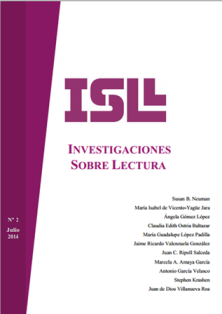
Lectura y Escritura eficaces
DOI:
https://doi.org/10.24310/revistaisl.vi2.10949Abstract
El lenguaje escrito es, posiblemente, la forma de comunicación que más ha
contribuido al progreso humano, tanto en ciencia y técnica como en arte, sobre todo en literatura. Ciertamente, el lenguaje escrito constituye un signo de un signo, es decir, una representación del lenguaje oral. Pero, al mismo tiempo, es algo más. De hecho, cuando escribimos nos vemos impelidos a pensar mejor, a aclarar nuestras ideas, a cuidar la forma de expresión. Al hablar improvisamos, codificamos nuestros mensajes de manera automática y automáticamente descodificamos las palabras de nuestro interlocutor. No existe tal automatismo al enfrentarnos a la lengua escrita. Dominar una lengua es dominar tanto la lengua oral como la lengua escrita.
Hoy por hoy, uno de las mayores deficiencias a las que se enfrenta la escuela, en todos sus niveles, desde la Educación Primaria hasta la Universidad, es la lectura. Salvando los diferentes niveles, raramente se alcanza un grado adecuado de lectura eficaz (rapidez lectora y comprensión de lo leído).
En la preocupación por contribuir al logro de la Lectura y Escritura eficaces, surge el programa de ordenador llamado ProLecturas.
Downloads
Metrics
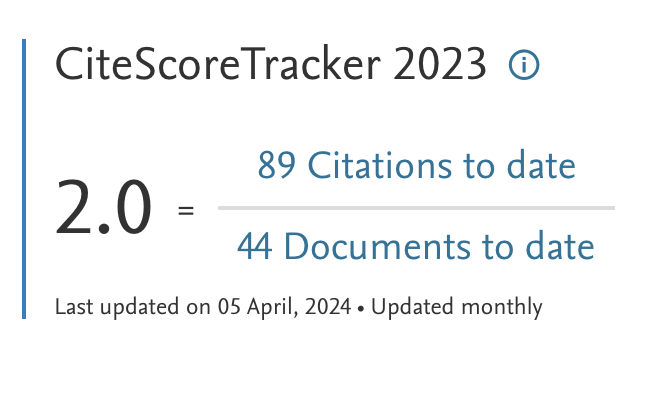
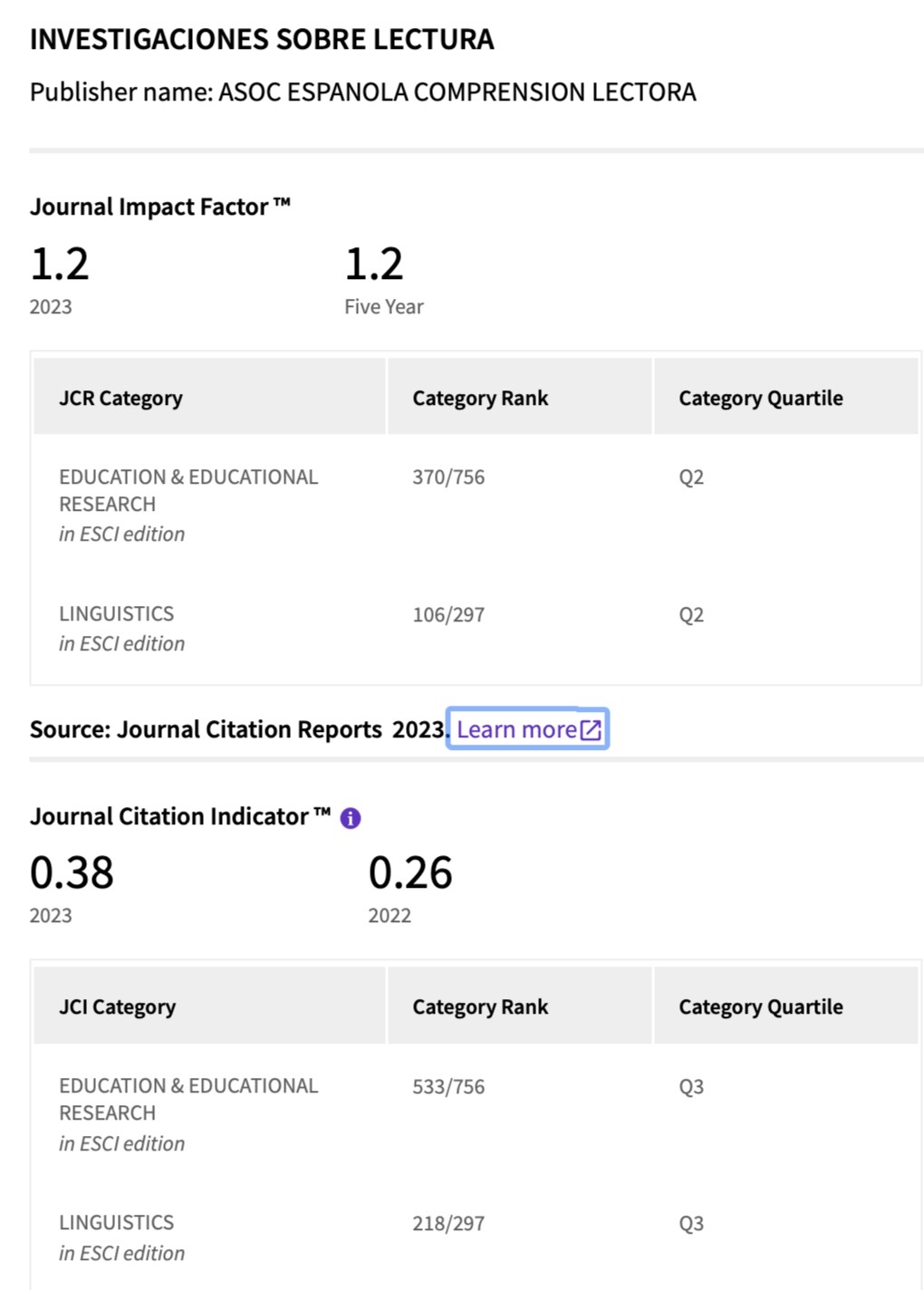
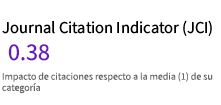
Publication Facts
Reviewer profiles N/A
Author statements
- Editor & editorial board
- profiles
- Academic society
- N/A
- Publisher
- EduVerso, Universidad de Málaga

To learn about these publication facts, click 
PF is maintained by the Public Knowledge Project
Downloads
Published
How to Cite
Issue
Section
License
All contents published in Investigaciones sobre la Lectura are protected under the Creative Commons Attribution-NonCommercial-ShareAlike 4.0 International (CC BY-NC-SA 4.0) license. All about this license is available in the following link: <http://creativecommons.org/licenses/by-nc-sa/4.0>
Users can copy, use, redistribute, share and exhibit publicly as long as:
- The original source and authorship of the material are cited (Journal, Publisher and URL of the work).
- It is not used for comercial purposes.
- The existence of the license and its especifications are mentioned.
There are two sets of authors’ rights: moral and property rights. Moral rights are perpetual prerogatives, unrenounceable, not-transferable, unalienable, imprescriptible and inembargable. According to authors’ rights legislation, Investigaciones sobre la Lectura recognizes and respects authors moral rights, as well as the ownership of property rights, which will be transferred to University of Malaga in open access. The property rights are referred to the benefits that are gained by the use or the dissemination of works. Investigaciones sobre la Lectura is published in an open access form and it is exclusively licenced by any means for doing or authorising distribution, dissemination, reproduction, , adaptation, translation or arrangement of works.
Authors are responsable for obtaining the necessary permission to use copyrighted images.







31.png)